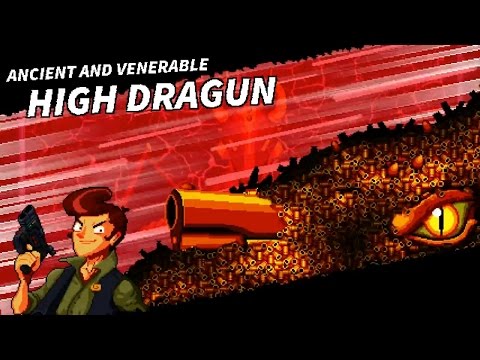
High Dragun
Enter the GungeonHigh Dragun demonstrates lingering hazard in a 2D encounter. Distinguish the initial impact, active hazard, and expiration states so the player knows when entering the area is unsafe and when it clears.
An attack leaves danger active after the initial hit, converting a momentary threat into temporary arena control and future route planning.
Distinguish the initial impact, active hazard, and expiration states so the player knows when entering the area is unsafe and when it clears.
Autoplay is disabled by the reduced-motion setting. Use the timeline slider to inspect the loop.
Tune the signal, commitment, geometry, response, and recovery of a lingering hazard as one rule.
Distinguish the initial impact, active hazard, and expiration states so the player knows when entering the area is unsafe and when it clears.
Players route around the zone, bait it toward low-value space, remove it with a supported tool, or accept a clearly priced tradeoff.
The zone cools, shrinks, or fades through an unmistakable expiration state before its space becomes safe again.
Hazards that outlive their readable visuals create invisible damage and make the arena state impossible to audit.
If the visible lingering hazard cue promises a different area or timing, the player cannot carry the learned rule into the next cycle.
Tune footprint, lifetime, placement frequency, damage cadence, and maximum simultaneous coverage as one arena budget.
Let zones grow, drift, or react to other attacks while enforcing a cap that preserves at least one viable route.
The zone cools, shrinks, or fades through an unmistakable expiration state before its space becomes safe again.
An attack leaves danger active after the initial hit, converting a momentary threat into temporary arena control and future route planning. The encounter uses that rule as a short promise: a visible signal, a committed action, and a result the player can verify.
Players route around the zone, bait it toward low-value space, remove it with a supported tool, or accept a clearly priced tradeoff. Tune footprint, lifetime, placement frequency, damage cadence, and maximum simultaneous coverage as one arena budget.
Hazards that outlive their readable visuals create invisible damage and make the arena state impossible to audit. Do not hide that distinction behind extra effects or tracking that the announced rule does not contain.
High Dragun demonstrates lingering hazard in a 2D encounter. Distinguish the initial impact, active hazard, and expiration states so the player knows when entering the area is unsafe and when it clears.

Shriek demonstrates lingering hazard in a 2D encounter. Players route around the zone, bait it toward low-value space, remove it with a supported tool, or accept a clearly priced tradeoff.

Ziva the Engineer demonstrates lingering hazard in a 3D encounter. Tune footprint, lifetime, placement frequency, damage cadence, and maximum simultaneous coverage as one arena budget.
Found an inaccuracy or have a suggestion for this page? Propose an edit on GitHub