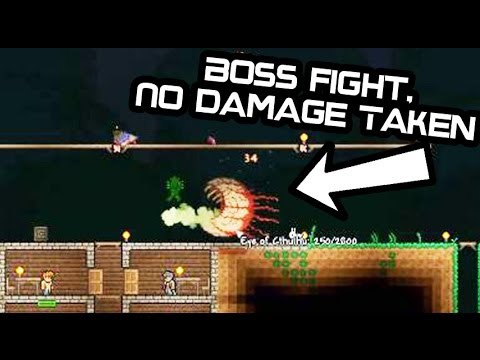
Eye of Cthulhu
TerrariaEye of Cthulhu demonstrates enrage in a 2D encounter. Use a distinct transition and persistent state cue so players know which speeds, sequences, or recovery rules have changed.
The boss enters a more demanding state after a threshold or time limit, raising pressure and establishing a clear late-fight climax.
Use a distinct transition and persistent state cue so players know which speeds, sequences, or recovery rules have changed.
Autoplay is disabled by the reduced-motion setting. Use the timeline slider to inspect the loop.
Tune the signal, commitment, geometry, response, and recovery of a enrage as one rule.
Use a distinct transition and persistent state cue so players know which speeds, sequences, or recovery rules have changed.
The player adapts positioning and resource use to the announced changes while retaining at least one dependable answer to every attack.
The transformation finishes with a readable reset before the accelerated cycle begins; the stronger state persists instead of flickering between attacks.
Removing all punish windows during enrage turns mastery into attrition and can invalidate builds that rely on deliberate counterattacks.
If the visible enrage cue promises a different area or timing, the player cannot carry the learned rule into the next cycle.
Choose the trigger, speed increase, damage change, new moves, and recovery reduction independently; avoid multiplying every value at once.
Add one new rule or compress selected timings, then preserve the visual grammar learned earlier so the climax remains readable.
The transformation finishes with a readable reset before the accelerated cycle begins; the stronger state persists instead of flickering between attacks.
The boss enters a more demanding state after a threshold or time limit, raising pressure and establishing a clear late-fight climax. The encounter uses that rule as a short promise: a visible signal, a committed action, and a result the player can verify.
The player adapts positioning and resource use to the announced changes while retaining at least one dependable answer to every attack. Choose the trigger, speed increase, damage change, new moves, and recovery reduction independently; avoid multiplying every value at once.
Removing all punish windows during enrage turns mastery into attrition and can invalidate builds that rely on deliberate counterattacks. Do not hide that distinction behind extra effects or tracking that the announced rule does not contain.
Eye of Cthulhu demonstrates enrage in a 2D encounter. Use a distinct transition and persistent state cue so players know which speeds, sequences, or recovery rules have changed.

Absolute Radiance demonstrates enrage in a 2D encounter. The player adapts positioning and resource use to the announced changes while retaining at least one dependable answer to every attack.

Diablos demonstrates enrage in a 3D encounter. Choose the trigger, speed increase, damage change, new moves, and recovery reduction independently; avoid multiplying every value at once.
Found an inaccuracy or have a suggestion for this page? Propose an edit on GitHub